

Days
Hours
Mins
Secs

Buying a property at auction can be an exciting and fast-paced way to secure your next home or investment. Unlike the traditional buying process, properties are often sold to the highest bidder on the day. This means you need to have your finances in order, review legal packs and set a clear budget ahead of buying a property at auction.
Buying a house at auction presents an opportunity to find competitively priced properties, including those with development potential or unique features.
of offers from people already registered in 2025
Trustpilot reviews
proactive calls in 2025 to find the perfect buyer or tenant
of asking price achieved in 2025
buyers and tenants from our database looking right now
Your property advertised on all major portals
Modern methods of auction offer a more flexible alternative to traditional auctions. Buyers typically pay a reservation fee to secure the property, then have a set period to exchange contracts and a further 28 days to complete. This extended timeline allows for mortgage arrangements and surveys.

Buying at auction doesn’t mean taking unnecessary risks. With access to legal packs, time to carry out due diligence and a clear, regulated process, you can move forward with confidence. With guidance from Chancellors, you’ll be supported at every stage to make informed decisions.

Understand the process of buying a property at auction with Chancellors.
Explore available lots online. Shortlist properties and arrange viewings where possible to assess condition and suitability before committing to bid.
Download and carefully review the legal pack for your chosen property. It’s recommended to have a solicitor review these documents before the auction.
Register in advance to take part in the auction. You’ll need to provide identification, proof of funds and, in some cases, a deposit to confirm your eligibility to bid.
If your bid is successful, you’ll pay a deposit immediately and will be legally committed to complete within a fixed timeframe.
A communication platform to help you track your journey at a time that suits you.
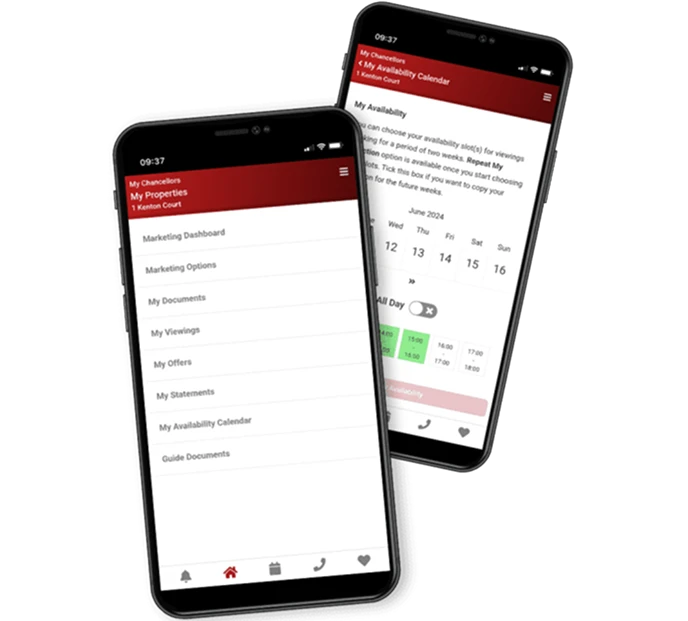
Our experts are always on hand whether you're looking to let, sell, buy, or rent a home.
The guide price indicates the seller’s expectations, but it’s not the final sale price. The reserve price, which is confidential, is the minimum amount the seller is willing to accept. This is typically set within a close range of the guide price, and the property will not be sold unless bidding reaches or exceeds this figure.

Auction properties are sold as seen, so it’s important to view the property before you bid and, where possible, arrange surveys in advance. You’ll also need to have your finances in place, as completion timelines are fixed and legally binding once the hammer falls. Be sure to factor in additional costs such as buyer’s fees, stamp duty and any refurbishment work.

Yes, you must register in advance and provide identification and proof of funds before you can bid.
You’ll typically need to pay a 10% deposit immediately after the hammer falls.
Yes, but you must have financing arranged in advance, as completion timelines are strict.
A legal pack contains key documents about the property, and it’s essential to review, ideally with a solicitor, before bidding.
Yes, once your bid is accepted, you are legally committed to completing the purchase within the set timeframe.