
How to Prevent Condensation in a Rented Property: A Tenant's Guide (2026)
Condensation is one of the most common causes of damp and mould in rented homes across the UK. Left untreated, it can lead to black mould growth, damage to walls, windows and furnishings, and in some cases may affect indoor air quality.
The good news is that condensation is often preventable. By understanding what causes condensation and taking a few simple steps each day, tenants can reduce excess moisture, improve ventilation and help keep their home healthy throughout the year.
This guide explains why condensation happens, where it commonly appears, how tenants can prevent it, and when landlords may need to become involved.
What Is Condensation and Why Does It Happen?
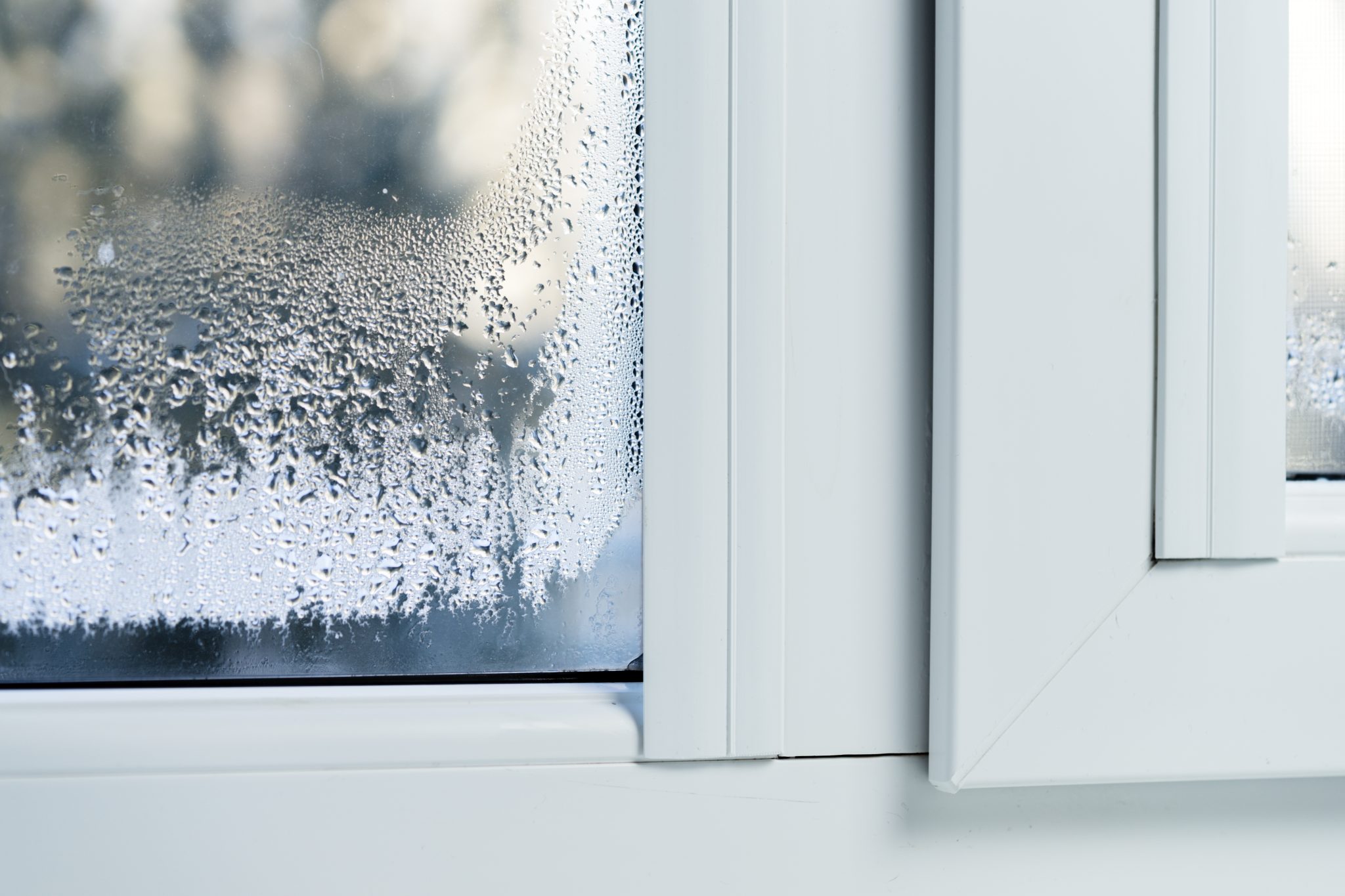
Condensation occurs when warm, moisture-filled air comes into contact with a colder surface, such as a window, external wall or mirror.
Everyday activities inside the home produce moisture, including:
- Cooking
- Showering and bathing
- Drying clothes indoors
- Boiling kettles
- Cleaning
- Even breathing while sleeping
When this moisture cannot escape through adequate ventilation, it settles on colder surfaces and forms water droplets. This is why condensation is most common during autumn and winter when windows remain closed, heating is used more frequently, and external temperatures are lower.
Common signs of condensation include:
- Water droplets on windows
- Damp patches around window frames
- Black mould on walls or ceilings
- Musty smells
- Mould behind furniture
- Excess moisture in bathrooms and kitchens
Where Does Condensation Commonly Occur in Rental Properties?
Many tenants first notice condensation on windows, but moisture can develop in less obvious areas throughout a property.
Condensation occurs often for short periods of time in bathrooms and kitchens as a result of a steamy atmosphere as well as for longer periods in unheated bedrooms. It can also be found in cupboards or corners of rooms where ventilation and movement of air are restricted. Besides condensation on visible surfaces, damage can also occur to materials which are out of sight, for example from condensation in roofs.
How Tenants Can Reduce Condensation in Their Home
Preventing condensation is usually a combination of ventilation, heating and moisture control.
1) Improve Ventilation Every Day
Good ventilation is one of the most effective ways to reduce condensation.
Tenants should aim to:
- Open windows regularly, even during colder months
- Use extractor fans when cooking or showering
- Keep trickle vents open where fitted
- Allow fresh air to circulate throughout the property
- Close bathroom and kitchen doors when creating steam
Even opening a window slightly for a short period each day can help remove excess moisture from the air. After bathing bathroom windows should also be opened and bathroom doors are shut for long enough to dry off the room. If washing is hung up to dry, for example in a bathroom or kitchen, it is also advisable to open a window or turn on an extractor fan to ventilate the room.
2) Dry Clothes Carefully
Drying washing indoors can release several litres of moisture into the air.
Where possible make sure to:
- Dry clothes outside
- Use a vented tumble dryer
- Dry clothes in a well-ventilated room
- Open windows while clothes are drying
- Use extractor fans if available
If clothes must be dried indoors, avoid placing them directly on radiators throughout the property.
3) Keep a Consistent Temperature
Many tenants try to save money by only heating rooms occasionally. However, fluctuating temperatures can increase condensation. A property is generally less prone to condensation when rooms are heated consistently rather than experiencing extreme temperature changes. Providing heating should be a priority whether are tenants in the property or not, and tenants should be advised that it is best to keep heating on, even if at a low level, even if they are out.
Maintaining a steady background temperature helps keep walls and windows warmer, reducing the likelihood of moisture settling on surfaces.
4) Improve Airflow Around Furniture
Condensation often develops where air cannot circulate properly. To improve airflow properly in your rented property:
- Avoid pushing furniture directly against external walls
- Leave small gaps behind wardrobes and sofas
- Avoid overfilling cupboards
- Allow air to move freely throughout rooms
It’s these simple adjustments that can significantly reduce hidden mould growth.
How to Prevent Condensation in Bathrooms
Bathrooms are one of the highest-risk areas for condensation because showering, bathing and hot water use generate significant amounts of moisture in a relatively small space. Without adequate ventilation, this warm, moisture-rich air can quickly settle on walls, ceilings, windows and grout, creating the ideal conditions for damp and mould growth.
After showering or bathing:
- Run the extractor fan for at least 15-20 minutes
- Open a window where possible
- Wipe excess water from tiles and windows
- Keep the bathroom door closed until steam has cleared
Removing moisture quickly prevents it spreading to other rooms within the property.
How to Prevent Condensation in Kitchens
Kitchens are another common source of excess moisture within a home, as everyday activities such as cooking, boiling water, washing dishes and using appliances can release large amounts of water vapour into the air. If this moisture is not properly ventilated, it can contribute to condensation on windows, walls and colder surfaces throughout the property.
To reduce condensation:
- Use extractor fans whenever cooking
- Keep saucepan lids on when possible
- Open a window during and after cooking
- Avoid allowing steam to spread into other rooms
These simple habits can dramatically reduce moisture levels throughout the home.
Why Is Mould Appearing in My Rented Property?
Mould develops when excess moisture remains on surfaces for prolonged periods, allowing fungal spores to grow and spread. While condensation is one of the most common causes of mould in rented properties, recurring mould can also indicate underlying maintenance issues or structural defects that require further investigation.
Mould can also result from:
- Rising damp
- Penetrating damp
- Leaking pipes
- Roofing defects
- Structural issues
If mould repeatedly returns despite good ventilation and heating practices, tenants should report the issue to their landlord or letting agent promptly so the underlying cause can be investigated. Read our guide on how to remove mould in a rented property.
When Should a Tenant Report Condensation or Mould?
Tenants should report damp, condensation or mould as soon as they notice it.
Early reporting helps:
- Prevent further property damage
- Protect tenant health
- Identify structural issues sooner
- Resolve problems before they become costly
Taking photographs and documenting when issues first appeared can also help landlords and contractors investigate effectively.
Who Is Responsible for Condensation and Mould in a Rental Property?
Responsibility depends on the cause.
Where condensation is caused by everyday living habits, tenants may need to take reasonable steps to ventilate and heat the property appropriately.
However, where mould results from structural defects, poor insulation, inadequate ventilation systems, roof leaks or damp ingress then the landlord may be responsible for repairs and remedial work.
In England, landlords must ensure properties are free from serious health hazards under current housing legislation, including issues relating to damp and mould.
Need Advice About Damp, Condensation or Mould?
Whether you're a tenant concerned about mould or a landlord looking to protect your investment, early action is always the best approach.
Chancellors' property management teams work with landlords and tenants across England and Wales to help identify property issues, arrange maintenance and ensure rental properties remain safe, compliant and well maintained.
Speak to your local Chancellors lettings team for advice on property management, maintenance support and rental property compliance.
