

- Uncertainty in the economy
- Speculation or concern over market fluctuations
- Changes to mortgage regulations
 Your house should be presented to viewers as clean and tidy as possible, that much is a given.
Remove unnecessary clutter wherever possible. Not only does it obscure the available space and prevent buyers from seeing the room at its best; it also hints at how you use a room, how you’ve lived in the house, and why you might be moving.
Any overly personal objects can distract a buyer and potentially cloud their judgement on how they could use a certain room. A good estate agent can help you test view your property and point out these things.
3. Appropriate use of rooms
Your house should be presented to viewers as clean and tidy as possible, that much is a given.
Remove unnecessary clutter wherever possible. Not only does it obscure the available space and prevent buyers from seeing the room at its best; it also hints at how you use a room, how you’ve lived in the house, and why you might be moving.
Any overly personal objects can distract a buyer and potentially cloud their judgement on how they could use a certain room. A good estate agent can help you test view your property and point out these things.
3. Appropriate use of rooms
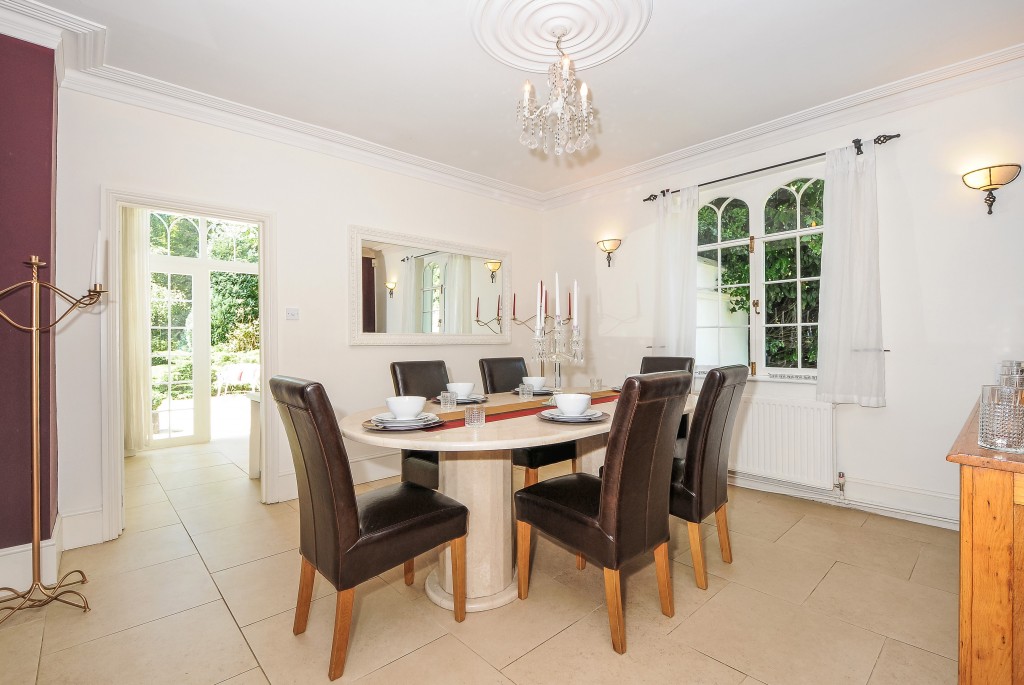 Display rooms as they are intended to be used. For example, a dining room should be displayed as such, with a table and chairs to exhibit its full potential.
If you use a small bedroom as an office, you may want to consider replacing your desk with a bed. This is so potential buyers do not need to imagine the space as a bedroom, and can clearly see that there is enough room for a bed.
4. DIY jobs There is nothing more off-putting to potential buyers than seeing an unfinished DIY task when they walk around your home.
Even if it’s something as simple as a shelf on the floor instead of the wall, a cupboard with wonky hinges, or half completed grouting in the bathroom, these little jobs all add up.
Unless the property is being marketed as a refurbishment project, buyers may walk around making a mental list of all those niggly little jobs that need to be done, and deduct these from your asking price.
Try and fall back in love with your property and complete these tasks before you open it for viewings.
5. Overselling One of the most common mistakes a seller can make is hovering around a prospective buyer and overselling their property.
It’s easy to point out everything and explain every little feature, but this overloads the viewer and stops them from considering what they actually think about the property.
Wherever possible, you should let an estate agent show viewers around. This helps potential buyers feel less imposed upon and less awkward.
If you do choose to show it yourself, try and give the viewer free reign and only answer questions that are asked.
How an estate agent can help generate offers At Chancellors we can help generate positive chat about your property, the area, and even the wider general market; we’re often able to provide the reassurance buyers need on issues holding them back from taking the plunge. This convinces them to make an offer on the property that fulfils their dreams and will be a home for years to come.
Most importantly, we always follow up on all viewings, speaking to potential buyers and finding out why they don’t want to make an offer. This can provide invaluable, constructive feedback to sellers, helping them make the changes necessary to generate interest.
We can help you determine the best price for your property too; as our Area Manager, Joanne Fox explains:
“We’ve seen a number of examples in branches where properties had viewings but no offers. When the sellers came to Chancellors, we were able to tweak the marketing strategy, which made the properties more competitive against others in the market at the time. This, coupled with great applicant relationships that motivated customers towards decisive decision making, saw an increase of offers in quick succession and ultimately a sale to someone who will love and cherish the property for years to come.”
If you need help building interest for your property and expert help and advice generating offers from viewings, get in touch with your local Chancellors branch today.
Correct at time of publication. The views and opinions expressed herein are those of the individual contributor and do not necessarily reflect those of the Chancellors Group of Estate Agents Ltd or its subsidiaries. References to legislation, best practice and other matters with legal implications such as fees, rules and processes are included for information and editorial purposes only and are not authoritative, nor should they be interpreted as advice. When in doubt you should only take advice from an industry professional or solicitor where appropriate. E&OE.